
A few months ago, my brilliant cousin Todd sat in on a call at my request to offer some insight to a struggling friend who was starting out in a similar line of work to his.
He had so many good tips for them and I quickly jotted them all down.
I revisited his suggestions myself recently when I was facing a change in my role in the church congregation to which I belong. And since his tips were so helpful for my friend and for me, I decided to name them and flesh them out a bit and put them here in a form that maybe a few of you could also benefit from. You know I love a good list.
So here you go…… with a Sally spin.
Todd’s Nine Tips
i.e. “How to Be OK with Starting Out”
(Yes, I know “Todd’s Ten Tips” alliteratively sounds so much better than “Todd’s Nine Tips” but, alas, he gave us nine!)
1. Remember that progress has a pattern.
When we are learning something new, progress usually moves forward and backward and forward and backward before it settles. That can feel discouraging because our brain may expect each good day to mean we’ve “got it” now. A hard day after a better day is part of the rhythm of learning in any season.
2. Let the whole experience count.
The most intense situations tend to take up the most space in our minds. One difficult conversation, one unexpected problem, or one emotionally draining moment can make the entire day feel impossible. The hardest moments are real. But there are many other moments in the day that carry less intensity and get less attention.
3. Name the difficulty accurately.
Sometimes we make things harder by expecting them to feel easier than they do. If we are in a genuinely demanding season, it helps to tell the truth about that. We may be dealing with real complexity, real pressure, and real uncertainty. Naming that clearly can lower the extra shame that comes from thinking we “should” be handling it better.
4. Give ourselves context.
Every situation has background information that matters. We might be stepping into a role, relationship, project, or life stage where the hardest pieces haven’t been sorted out yet or haven’t been worked through. Putting that in context helps our brain understand why it all feels heavier than expected.
5. Recognize that the same skills can feel different in a new environment.
We can be capable, trained, experienced, and still feel unsettled when the environment changes. The same foundation can ask different things of us depending on where we are using it. A skill that felt natural in one setting may require totally different effort in another. Our ability is still there, but the conditions are asking for something new.
6. Let ourselves be in the recipe-following stage.
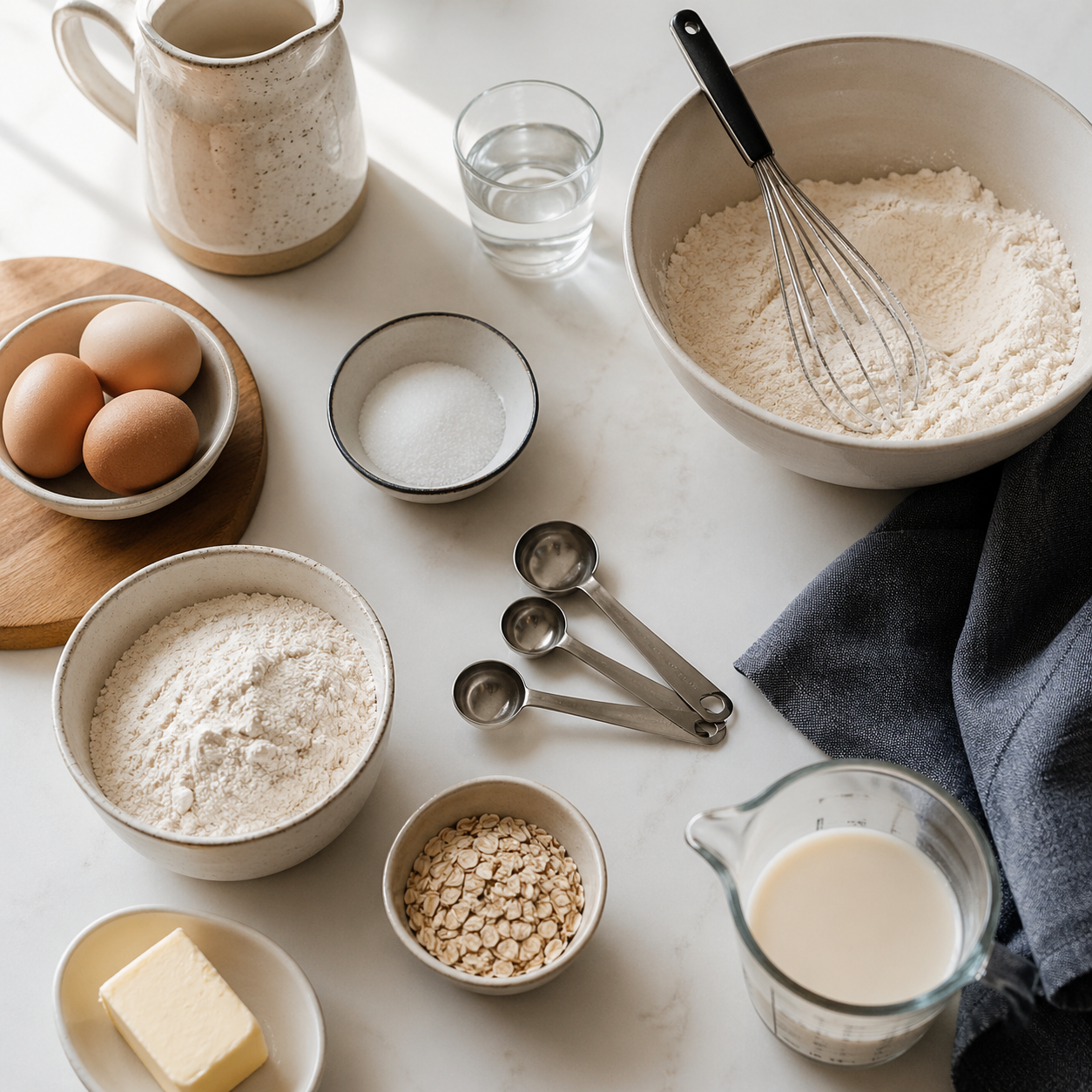
When we are new at something or new to something, structure matters. We may need to follow the ‘recipe’ closely, check ourselves more often, ask more questions, and move more slowly. That is how people learn what can be adjusted and what needs to stay in place. Over time, we will begin to trust our judgment more. Early carefulness builds later confidence.
7. Allow our identity to adjust.
New seasons often require a new version of us. The way we showed up in a previous role or stage may not fit this one perfectly. That can feel disorienting, especially if we are used to knowing who we are and how we operate. We can give ourselves room to figure out how to be who we are here.
8. Hold onto our capacity baseline.
When we feel overwhelmed, it can help to remember that we have known steadiness before. We have found our footing in other places. We have learned, adjusted, recovered, and built competence before. The current season may feel uncertain, so our past evidence of success can be a really helpful reminder.
9. On hard days, go find something good.
When the day feels heavy or particularly hard, take a short, deliberate reset. Look for one thing that is working. One person doing something awesome or well or kind. One moment of connection. One small sign that this season still contains something worth noticing. This practice can help our brain remember that many things can be present at once.
I can’t wait to hear which tip feels most helpful to you. And if you need some help with implementing any of them in your current situation, Todd’s super busy. But you can always reach out to me.
.
.
.
.
.
.
.
PS If you liked this post – or any others, I’d love you to pass me and my work on to a friend. They can find out much more about me here if they’re interested!