
A week ago, one of my best friends sent me a photo with a link to a paper embroidery class that looked super fun.
It was something I had wanted to try, something she and I could have fun doing together, and the company was offering what seemed like a really, really good deal: Instruction. Materials list. Patterns. Videos. Lifetime access. A special price for that day.
We have all lived on the internet long enough to know that companies sometimes DO offer crazy deals on online courses. You’ve seen them: $27 for a $1200 value! Ten bonuses! Lifetime access! Buy today!
It was cheap enough that it seemed like a no-brainer.
So we both bought it.
When the materials came through, though, I started getting a funny feeling.
Everything looked fairly professional, but the patterns looked more like pictures of patterns than actual patterns. The course had promised ten videos, and I could only find one. There were downloads and material to open and look through, but not what was promised.
Something about it bothered me.
So I went looking for the company’s website. Big surprise – no website.
Then I did what any normal person who has already handed over her credit card information would do.
I Googled, “Is this company a scam?”
And turns out, yes. Yes it was.
From what I could find, the people behind it take other creators’ work, package pieces of it together, and sell it as their own course. That explained the strange patterns, the missing videos, and the materials that felt incomplete.
My brain immediately did two things: 1) kicked myself, because I know better, and 2) found a few additional things to worry about, including the possibility that my credit card information had been compromised. I called my bank, had the charge reversed, and asked them to keep an eye on the account.
I also felt awful knowing that someone had put real time and talent into creating those patterns and instructions, and someone else was collecting the money.
So I went searching again.
This time I found legitimate creators, looked carefully at who they were and what they were selling, purchased patterns directly from them, and started playing with a creative skill I had learned years ago and almost completely forgotten about.
And I have been having so much fun.
Sometimes we have an experience with the wrong version of something and our brains are very quick to make a sweeping conclusion about the whole category.
How often do we discard something we genuinely want because one version of it went badly?
We say things like:
He was such a jerk. I’m so over dating.
That class was awful. I guess I’m just bad at yoga.
My last boss was a nightmare. I never want to work for someone else again.
We hated that neighborhood. City living is definitely out.
That therapist didn’t help me at all. Therapy clearly isn’t for me.
That friendship ended so badly. I’m better off keeping people at a distance.
I felt completely stupid in that painting class. Apparently I’m not creative.
That vacation was exhausting. Traveling with kids is a terrible idea.
That church calling was miserable. I never want a leadership position again.
Here are some things to notice when we find ourselves in that spot.
- What exactly went badly?
Get specific. Was it the person, the timing, the method, the environment, the expectations, the cost, the fit? A bad experience can feel global when the actual problem is much narrower.
- What still appeals to me?
Strip away the disappointing part and see what remains. Do I still want the skill, the connection, the challenge, the experience, the change, the opportunity? That remaining pull is useful information.
- What did I learn about what works for me?
Maybe you learned you need more structure, a different pace, clearer communication, more independence, better limits, a more trustworthy source, or a different kind of support. Even a lousy experience can sharpen your preferences.
- What would a better version look like?
Now you can use what you learned to make a decision: a different teacher, a different job, a different approach, a different schedule, a smaller commitment, a more reputable source, another way in.
Here’s how this process looked for me this week:
- What exactly went badly?
The course was a fake and my money went to people selling someone else’s work. - What still appeals to me?
I still want to relearn the skill and experience the challenge. - What did I learn about what works for me?
I prefer a more trustworthy source of instruction. - What would a better version look like?
A better version would be someone legitimately teaching me from their own original content.
I can’t wait to hear about something in your life that might deserve another version.
And if you’d like some help figuring out what that better version could look like, I’d love to help.
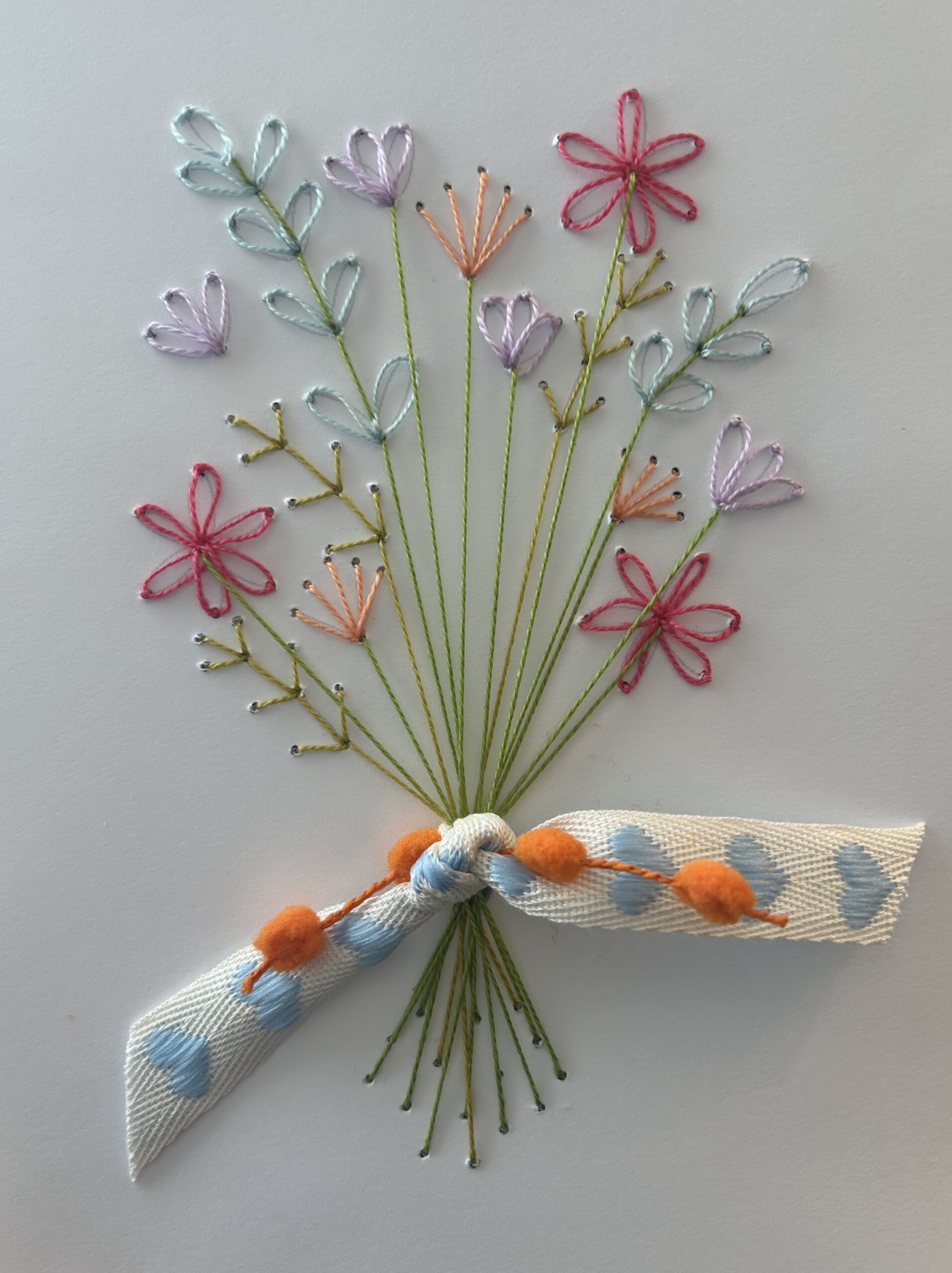
PS If you look closely at the picture for this blog post you can see that I missed a stem. Definitely not perfect at this, but the relearning of it has been fun.
.
.
.
.
.
.
.
PPS If you liked this post – or any others, I’d love you to pass me and my work on to a friend. They can find out much more about me here if they’re interested!