The family that lived across the street from us included six little blonde girls, several of whom liked to come play at our house. My dad quickly realized he would not be keeping all their real names straight so he took to calling them all Fred – Big Fred, Medium Fred, Little Fred, Littler Fred, Tiny Fred. It frustrated them and delighted them.
He had nicknames for all of us kids and even called one of my brothers “Tommy” as if it was his real name. He nicknamed our friends, our cousins and their friends. He nicknamed his grandchildren, his grandchildren’s friends, and even pets.
His nickname for me was “Sallywags.” And over the years, just” Wags.”
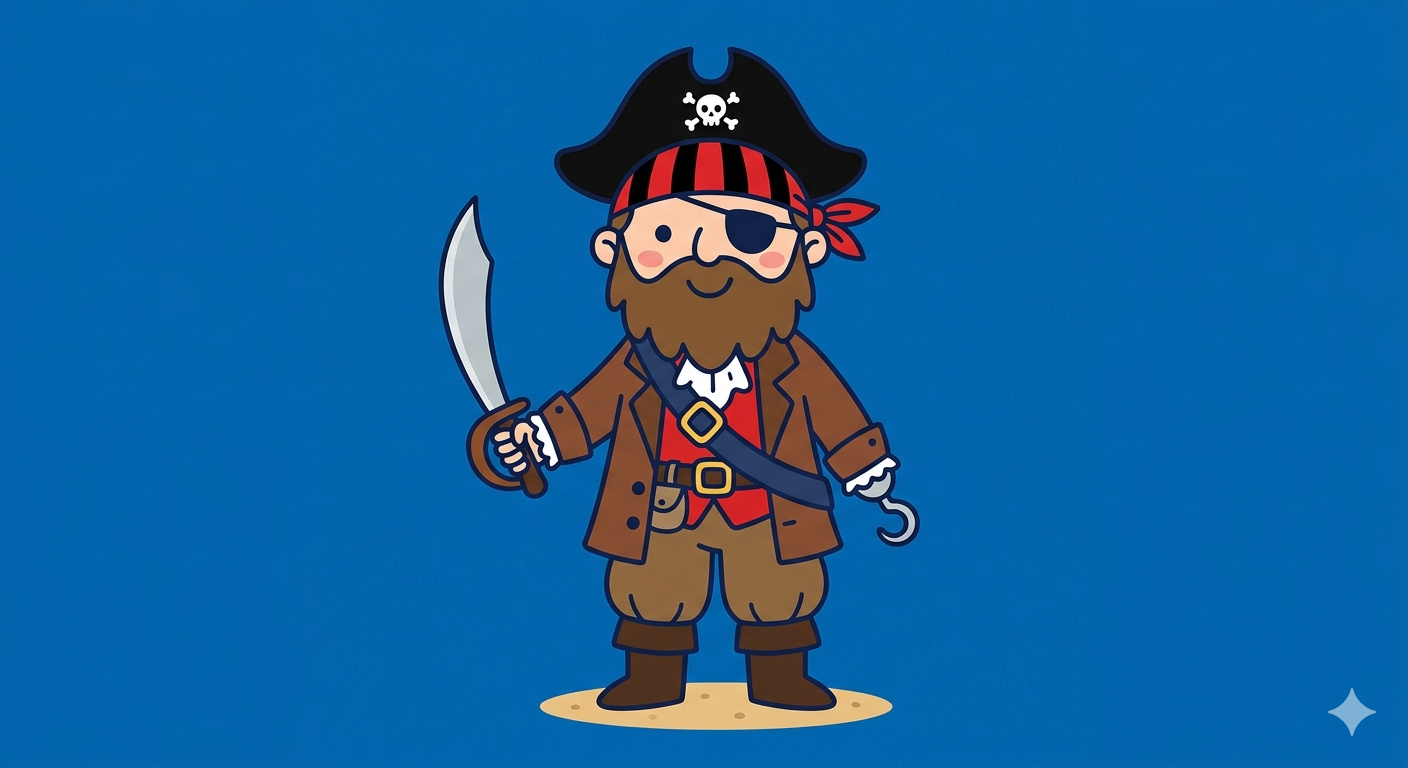
I was a full-grown school- teaching adult before I realized where he got that name.
A scallywag (or scalawag) is defined as a rogue or rascal – someone a little untrustworthy, a little dishonest, and often up to something they probably shouldn’t be. It’s an old word for the kind of person who bends the rules, plays tricks, or takes advantage when they can. Someone who behaves badly but in a way that is difficult to stay angry at. Maybe there’s some behavior that crosses a line, but it comes with a hint of charm.
That description describes someone who is not rule abiding but instead, mischievous – and charming.
That didn’t feel like me.
When I told him that I’d figured it out that he got Sallywags from Scallywag, we both laughed.
His nicknames were terms of endearment. They were a way for him to show his connection to us and for us to feel our connection to him.
There’s something comforting about being known in that way.
According to Psychology Today, nicknames are tools for social bonding, affection, and identity expression. They often allow individuals to experiment with their self-image.
My dad didn’t do it in a formal, get-it-right-every-time kind of way with all those kids in his life.
But he did understand that names matter.
Even the playful ones.
Even the imperfect ones.
Names are one of the ways we let people know they’ve been seen.
Jessica Stillman offers 5 ways to help remember people’s names – instead of just calling them all Fred 😉
- Make a choice to care. If you make a conscious decision that you are going to remember names, because you care about the people you meet, you will immediately become much better at doing it!
- Picture the name written across their forehead. Think that sounds dumb? It’s not. It was a trick used by Franklin Roosevelt and he amazed his staff with how well he remembered names.
- Listen to the name of the person you are being introduced to. If you don’t hear the name clearly the first time, ask them to repeat it.
- Repeat the name as soon as possible. You can either repeat it as a confirmation, “Joe, right?” or in conversation, “Nice to meet you, Joe.” Either way, say it aloud and look the person in the eyes, too.
- Use word or picture associations to make the person-name combination more memorable. For someone named Joy, picture her with a huge smile on her face, glowing with happiness. Imagine Sandy on a beach. Maybe Mike is singing karaoke. The more unusual the picture, the more memorable.
I can’t wait to hear about how you’re helping your people feel named and noticed.
And if you need help putting any of this into practice, I’d love to help.
PS This weekend a lot of us are celebrating the gift and resurrection of someone else who knows my name – and yours. Jesus.
One of my favorite hymns, written in 1905, says:
“Let not your heart be troubled.”
His tender word I hear,
And resting on His goodness,
I lose my doubt and fear.
Though by the path He leadeth,
But one step I may see:
His eye is on the sparrow,
And I know He watches me;
His eye is on the sparrow,
And I know He watches me.”
Happy Easter!
.
.
.
.
.
.
.PPS If you liked this post – or any others, I’d love you to pass me and my work on to a friend. They can find out much more about me here if they’re interested!