
Darren thinks his latest way to tease me is hysterical.
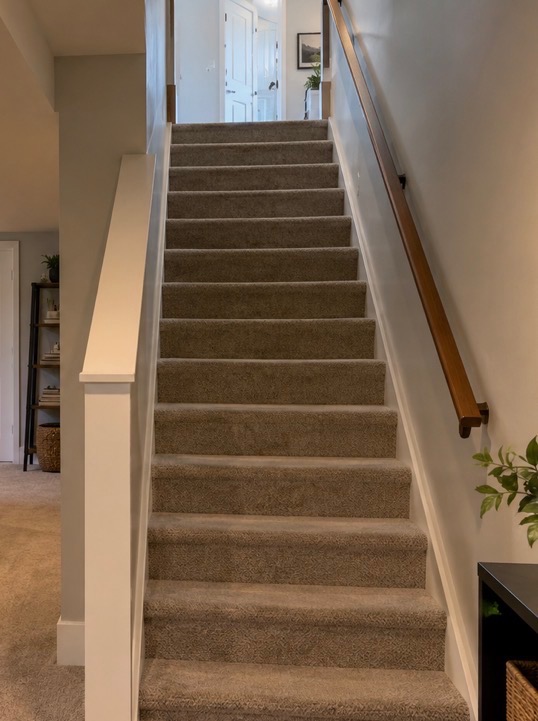
He’ll come home from work sometimes while I’m working downstairs in my basement office. And then he’ll text me to tell me he’ll be home in 20 minutes KNOWING I CAN HEAR SOMEONE WALKING AROUND UPSTAIRS RIGHT NOW.
And when I reply with “You’re not funny” he’ll text back something like “Well, if you’re hearing someone upstairs let me know!!! I will stay away until it’s safe!!”
Bless his heart.
My fears are (sometimes) really funny to him.
Fear is a funny thing, right?
We need it…. so we don’t get eaten by a Grizzly Bear or smushed by a car or a million other could-be-fatal mishaps. But it’s annoying, too.
Remember when Chip Gaines would end his column in Magnolia Magazine with something like “What would you do tomorrow if fear wasn’t an issue?” I hated that. Because it made me admit there were things I wasn’t doing because of fear.
Lately I’ve been trying to give myself some grace for the particular personality trait I have that makes me an expert in worst-case scenario thinking.
Because the truth is, there can be some value in thinking through what could go wrong. It can even offer some real advantages. Sometimes, worst-case scenario thinking can:
- Reduce fear of the unknown. Defining what we’re actually afraid of turns a vague threat into something more concrete and often less overwhelming.
- Help us prepare. Thinking through what could go wrong gives us a chance to identify what we can control, what we might need, and what we would do next.
- Give our brains a rehearsal. Mentally walking through a difficult situation creates some familiarity with it, which can make it easier to think clearly if it actually happens.
- Build confidence in our ability to cope. Once we’ve considered the worst-case scenario and what we would do about it, uncertainty can feel less threatening because we’ve reminded ourselves that we would still have options.
Unhealthy catastrophizing says, “This will go wrong, and it will destroy me,” which feeds fear and keeps us stuck.
The key to making worst case scenario thinking (or threat forecasting, in Enneagram language) healthy, or at least a little more useful, is what we do with it next.
It’s thinking “This could go wrong” and deliberately figuring out what we’d do if it did.
If I can identify the thing I’m actually afraid of, I can ask:
- If that really happened, what would I do?
- What resources would I have?
- Who could help me?
- What could I do now to make that outcome less likely or easier to handle?
- Would I survive it?
My brain is very good at producing, “BUT WHAT IF THIS HAPPENS???”
It is sometimes (a-hem) considerably less interested in sticking around for, “Okay. And then what?”
So, yes, hearing unexplained footsteps upstairs is probably always going to get my attention.
Perhaps my goal (Darren!) shouldn’t be to become a person who never imagines that the footsteps belong to an intruder, but to stop letting my brain end the story at the scary part.
I can’t wait to hear about when your worst-case thinking helps you feel more prepared and when it’s just keeping you stuck. And if you could use some help figuring out which one is happening, I’d love to help.
.
.
.
.
.
.
.
PS If you liked this post – or any others, I’d love you to pass me and my work on to a friend. They can find out much more about me here if they’re interested!